I — THE VISION
In a world increasingly shaped by polarization, violence, digital acceleration, and cultural fragmentation, the transmission of human dignity, ethical responsibility, and peace can no longer be left to chance.
Cinema — and today, the broader audiovisual universe — remains one of the most powerful languages through which humanity understands itself.
Stories influence perception.
Images shape emotion.
Narratives quietly form conscience.
But beyond analysis and structure, something deeper happens:
a story can move us, disturb us, awaken us, and sometimes gently transform us.
The Time for Peace Screen Portal is the natural evolution of the Time for Peace Film & Music Awards, founded in New York in 1994 by Marion Einbeck and Robert Einbeck.
What began as ceremonial recognition now becomes a structured, living global cultural infrastructure.
II — WHAT IT IS
The Time for Peace Screen Portal is a curated international audiovisual platform dedicated to identifying, labeling, and promoting works of:
- Outstanding artistic quality
- Ethical depth
- Humanistic relevance and a conscious commitment to peace
- Cultural intelligence
It extends beyond traditional cinema to include films, series, and evolving audiovisual formats that embody dignity, empathy, responsibility, tolerance, non-violence, peace, and deeper understanding between human beings.
This is not a rigid institution.
It is a living cultural space grounded in discernment and artistic respect.
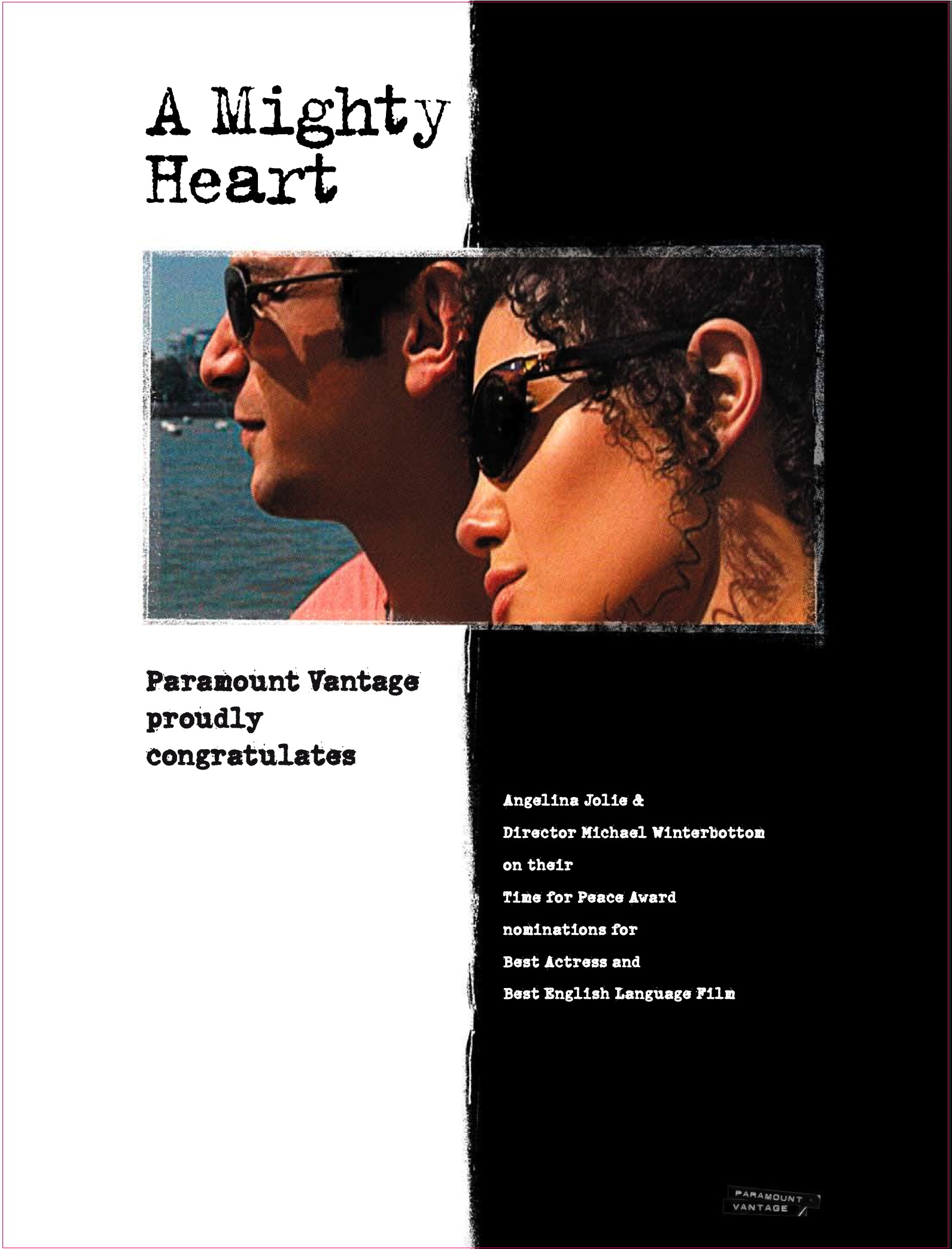
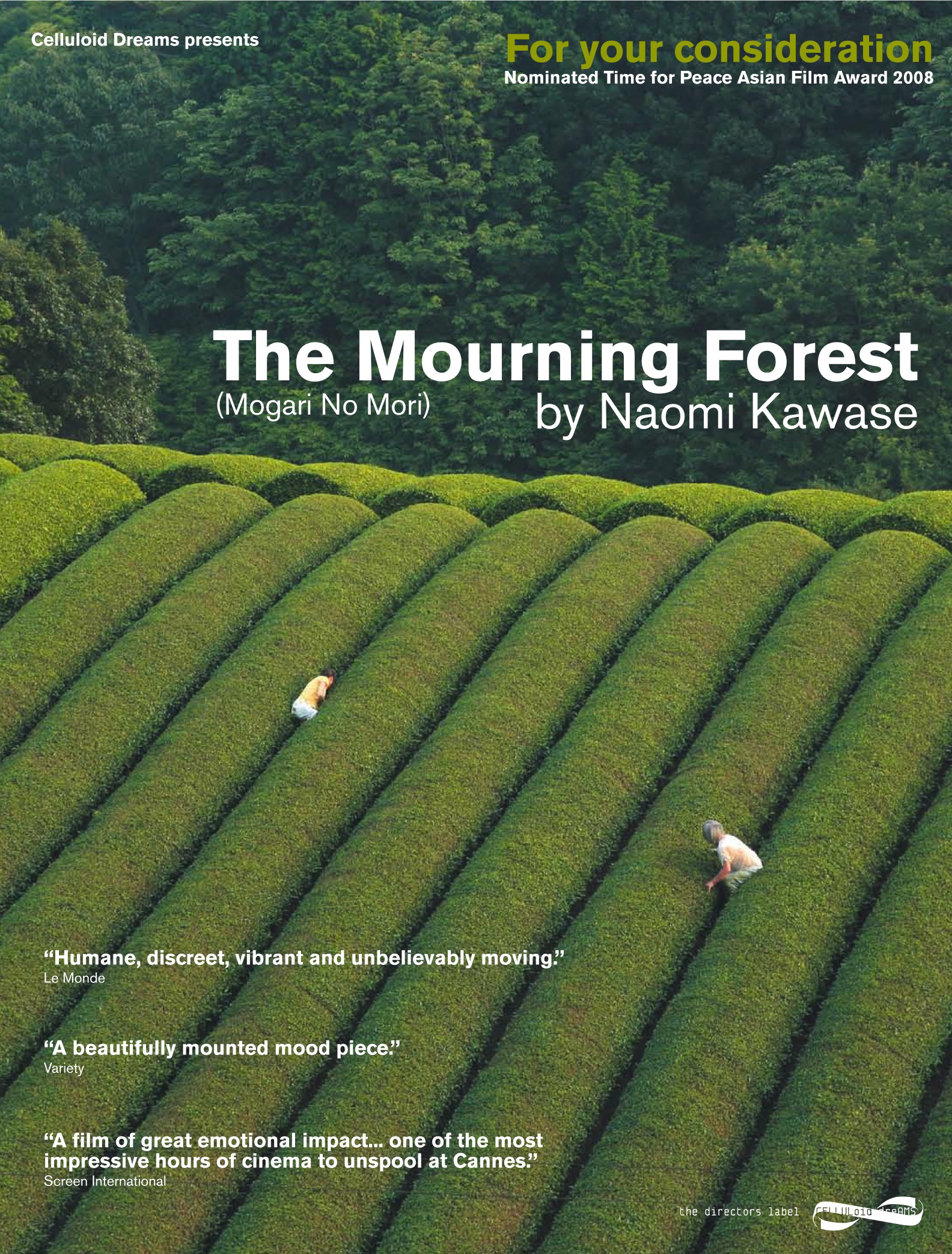
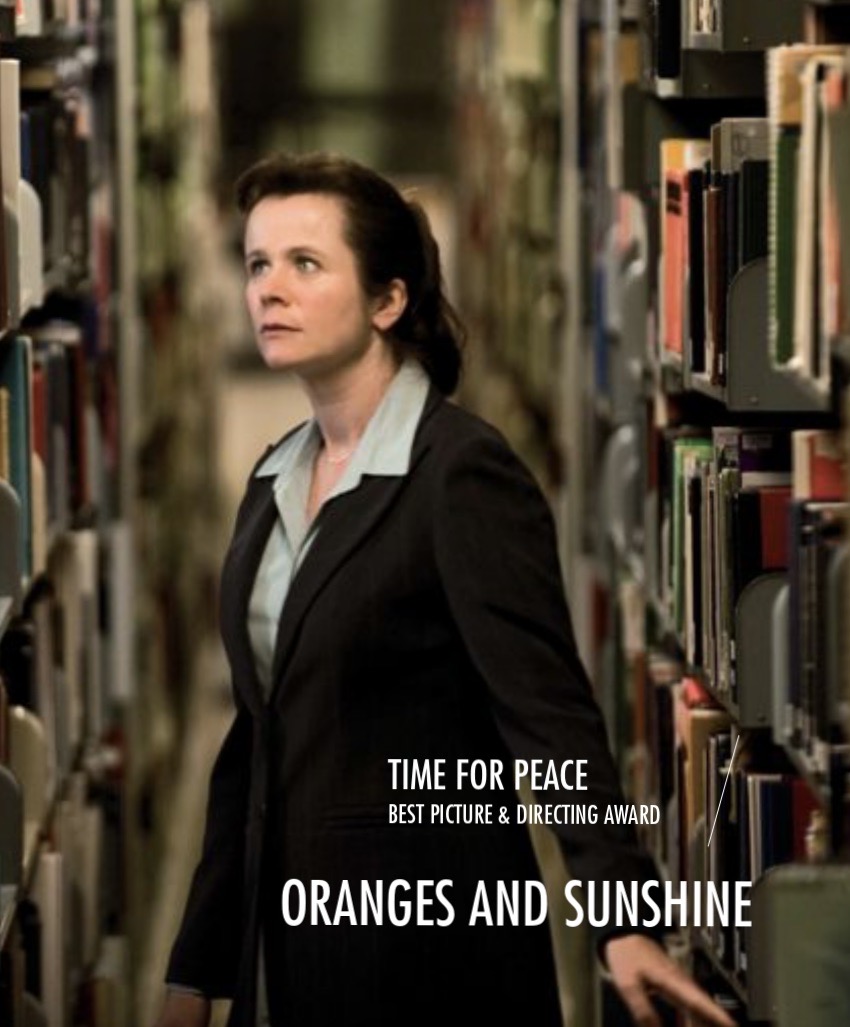
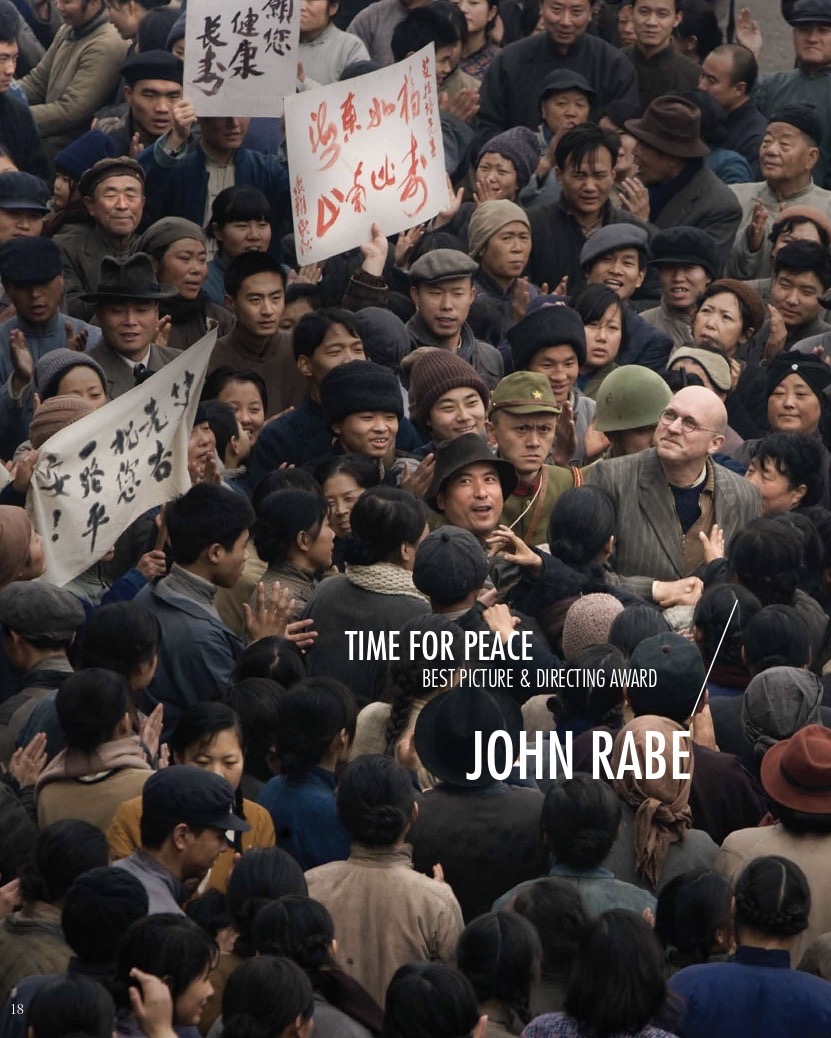
The foundation of the Screen Portal initially draws from the nominated and award-winning works recognized over the years by the Time for Peace Film & Music Awards, establishing a historically grounded and artistically validated starting point for the platform’s development.
SELECTION PROCESS
Works are identified and evaluated through a structured framework:
A panel of film industry professionals — directors, producers, critics, screenwriters, cultural scholars, and educators — identifies works of artistic and thematic significance.
A review committee ensures coherence with the Time for Peace Humanistic Criteria.
Selected works receive the official Time for Peace Humanistic Label.
This process guarantees credibility while preserving artistic independence.
III — A LIVING AND ACCESSIBLE PLATFORM
The Screen Portal is conceived as an operational and accessible digital environment. Each selected work may include:
- Curated presentation
- Contextual essays
- Artistic and thematic commentary
- Psychological and cultural insights
- Direct access through official viewing links
Where appropriate, the platform may allow moderated audience reflections,
encouraging responsible dialogue rather than reaction.
It is not theoretical. It is experiential.
IV — WHO IT SERVES
The Screen Portal addresses a broad international audience:
- Young audiences navigating a complex world
- Individuals seeking meaningful audiovisual experiences
- Families wishing to share stories across generations
- Cultural institutions
- Educators and universities
It begins as a cultural space — not an academic instrument — though it may naturally extend into educational environments.
Young people often identify deeply with artists of their own generation. Through that identification, they experience transformation, vulnerability, doubt, strength — and the silent formation of inner values.
That is where art touches life.
V — EDUCATIONAL EXTENSIONS
Selected works may give rise to structured educational initiatives in collaboration with schools and universities, including:
- Screenings followed by moderated discussions
- Reflective workshops
- Written contributions
- Value-based thematic programs
These initiatives extend the cultural resonance of the Portal into meaningful dialogue without imposing ideology.
VI — THE TIME FOR PEACE HUMANISTIC CRITERIA
Works are evaluated according to six guiding principles:
- Artistic Integrity
- Human Dignity
- Ethical Depth
- Peace Orientation
- Cultural Intelligence
- Transformative Potential
These criteria ensure coherence, consistency, and international credibility.
VII — THE TIME FOR PEACE HUMANISTIC LABEL
Selected works may carry the designation:
Time for Peace Humanistic Label
This distinction signifies artistic excellence, ethical coherence, peace-oriented awareness, cultural responsibility, and transformative capacity.
It is not political.
It does not prescribe positions or ideologies.
It recognizes artistic works whose narratives naturally resonate with dignity, coexistence, and constructive human understanding.
VIII — THE ARTISTIC CIRCLE
The Screen Portal is accompanied by the Time for Peace Artistic Circle of Humanist Voices — a constellation of established and emerging artists whose work reflects a natural sensitivity to human dignity and peaceful coexistence.
The Circle is not an institution, nor a committee.
It is a space of resonance.
Each Voice remains entirely free in how they choose to be present.
There are no prescribed positions, no political alignment, no obligation of advocacy.
The Circle does not seek statements — it recognizes sensibilities.
Some artists may simply lend their name as a quiet sign of affinity.
Others may, when inspiration arises:
- Suggest works that have moved them
- Introduce emerging creators
- Share reflections on storytelling and responsibility
Participation is guided by authenticity, not expectation.
What brings these Voices together is not ideology — but the shared understanding that art has the capacity to illuminate rather than divide, to deepen rather than polarize.
The Circle exists as a living dialogue between artists who, through their work, already embody these values.
IX — STRATEGIC OUTLOOK & INTERNATIONAL VISIBILITY
The Time for Peace initiative has previously demonstrated its capacity to generate significant international visibility.
On the occasion of its 15th Anniversary, the Time for Peace Film & Music Awards were invited to ring the closing bell at NASDAQ in New York — an event broadcast to over 70 million viewers worldwide.
The official launch of the Time for Peace Screen Portal is scheduled for late 2026/ early 2027.
The rollout strategy includes:
- A digital pre-launch phase through curated social media activation
- Strategic collaborations with leading international audiovisual platforms
- A launch event in New York bringing together artists and cultural leaders
- The presentation or honoring of a newly selected work aligned with the Portal’s values
- Continued development of the Time for Peace Magazine, featuring interviews with filmmakers and actors
The Screen Portal remains culturally independent and non-partisan.
It is rooted in artistic excellence, international dialogue, and constructive values.
Institutional partners support a structured cultural infrastructure dedicated to artistic integrity, human conscience, and peace.
X — WHY IT MATTERS NOW
Screens have become the primary interface between individuals and reality.
If screens shape perception, perception shapes society.
The Time for Peace Screen Portal rests on a simple conviction:
Artistic excellence, human conscience, and peace must remain connected.
Meaningful stories are not luxuries in unstable times — they are stabilizing forces.
I — THE VISION
In a world increasingly shaped by polarization, violence, digital acceleration, and cultural fragmentation, the transmission of human dignity, ethical responsibility, and peace can no longer be left to chance.
Cinema — and today, the broader audiovisual universe — remains one of the most powerful languages through which humanity understands itself.
Stories influence perception.
Images shape emotion.
Narratives quietly form conscience.
But beyond analysis and structure, something deeper happens:
a story can move us, disturb us, awaken us, and sometimes gently transform us.
The Time for Peace Screen Portal is the natural evolution of the Time for Peace Film & Music Awards, founded in New York in 1994 by Marion Einbeck and Robert Einbeck.
What began as ceremonial recognition now becomes a structured, living global cultural infrastructure.
II — WHAT IT IS
The Time for Peace Screen Portal is a curated international audiovisual platform dedicated to identifying, labeling, and promoting works of:
- Outstanding artistic quality
- Ethical depth
- Humanistic relevance and a conscious commitment to peace
- Cultural intelligence
It extends beyond traditional cinema to include films, series, and evolving audiovisual formats that embody dignity, empathy, responsibility, tolerance, non-violence, peace, and deeper understanding between human beings.
This is not a rigid institution.
It is a living cultural space grounded in discernment and artistic respect.
The foundation of the Screen Portal initially draws from the nominated and award-winning works recognized over the years by the Time for Peace Film & Music Awards, establishing a historically grounded and artistically validated starting point for the platform’s development.
SELECTION PROCESS
Works are identified and evaluated through a structured framework:
A panel of film industry professionals — directors, producers, critics, screenwriters, cultural scholars, and educators — identifies works of artistic and thematic significance.
A review committee ensures coherence with the Time for Peace Humanistic Criteria.
Selected works receive the official Time for Peace Humanistic Label.
This process guarantees credibility while preserving artistic independence.
III — A LIVING AND ACCESSIBLE PLATFORM
The Screen Portal is conceived as an operational and accessible digital environment. Each selected work may include:
- Curated presentation
- Contextual essays
- Artistic and thematic commentary
- Psychological and cultural insights
- Direct access through official viewing links
Where appropriate, the platform may allow moderated audience reflections,
encouraging responsible dialogue rather than reaction.
It is not theoretical. It is experiential.
IV — WHO IT SERVES
The Screen Portal addresses a broad international audience:
- Young audiences navigating a complex world
- Individuals seeking meaningful audiovisual experiences
- Families wishing to share stories across generations
- Cultural institutions
- Educators and universities
It begins as a cultural space — not an academic instrument — though it may naturally extend into educational environments.
Young people often identify deeply with artists of their own generation. Through that identification, they experience transformation, vulnerability, doubt, strength — and the silent formation of inner values.
That is where art touches life.
V — EDUCATIONAL EXTENSIONS
Selected works may give rise to structured educational initiatives in collaboration with schools and universities, including:
- Screenings followed by moderated discussions
- Reflective workshops
- Written contributions
- Value-based thematic programs
These initiatives extend the cultural resonance of the Portal into meaningful dialogue without imposing ideology.
VI — THE TIME FOR PEACE HUMANISTIC CRITERIA
Works are evaluated according to six guiding principles:
- Artistic Integrity
- Human Dignity
- Ethical Depth
- Peace Orientation
- Cultural Intelligence
- Transformative Potential
These criteria ensure coherence, consistency, and international credibility.
VII — THE TIME FOR PEACE HUMANISTIC LABEL
Selected works may carry the designation:
Time for Peace Humanistic Label
This distinction signifies artistic excellence, ethical coherence, peace-oriented awareness, cultural responsibility, and transformative capacity.
It is not political.
It does not prescribe positions or ideologies.
It recognizes artistic works whose narratives naturally resonate with dignity, coexistence, and constructive human understanding.
VIII — THE ARTISTIC CIRCLE
The Screen Portal is accompanied by the Time for Peace Artistic Circle of Humanist Voices — a constellation of established and emerging artists whose work reflects a natural sensitivity to human dignity and peaceful coexistence.
The Circle is not an institution, nor a committee.
It is a space of resonance.
Each Voice remains entirely free in how they choose to be present.
There are no prescribed positions, no political alignment, no obligation of advocacy.
The Circle does not seek statements — it recognizes sensibilities.
Some artists may simply lend their name as a quiet sign of affinity.
Others may, when inspiration arises:
- Suggest works that have moved them
- Introduce emerging creators
- Share reflections on storytelling and responsibility
Participation is guided by authenticity, not expectation.
What brings these Voices together is not ideology — but the shared understanding that art has the capacity to illuminate rather than divide, to deepen rather than polarize.
The Circle exists as a living dialogue between artists who, through their work, already embody these values.
IX — STRATEGIC OUTLOOK & INTERNATIONAL VISIBILITY
The Time for Peace initiative has previously demonstrated its capacity to generate significant international visibility.
On the occasion of its 15th Anniversary, the Time for Peace Film & Music Awards were invited to ring the closing bell at NASDAQ in New York — an event broadcast to over 70 million viewers worldwide.
The official launch of the Time for Peace Screen Portal is scheduled for late 2026/ early 2027.
The rollout strategy includes:
- A digital pre-launch phase through curated social media activation
- Strategic collaborations with leading international audiovisual platforms
- A launch event in New York bringing together artists and cultural leaders
- The presentation or honoring of a newly selected work aligned with the Portal’s values
- Continued development of the Time for Peace Magazine, featuring interviews with filmmakers and actors
The Screen Portal remains culturally independent and non-partisan.
It is rooted in artistic excellence, international dialogue, and constructive values.
Institutional partners support a structured cultural infrastructure dedicated to artistic integrity, human conscience, and peace.
X — WHY IT MATTERS NOW
Screens have become the primary interface between individuals and reality.
If screens shape perception, perception shapes society.
The Time for Peace Screen Portal rests on a simple conviction:
Artistic excellence, human conscience, and peace must remain connected.
Meaningful stories are not luxuries in unstable times — they are stabilizing forces.